
Schools
2 college students killed in Texas crash, police say
By Linda Tran
Advertisement · Why this ad?
Nia, a graduate of the University of Dallas, has been covering housing and urban development for nearly four years. Her work has appeared in various local publications, where she delves into the challenges of affordable housing and urban policy in Dallas.
More from Nia →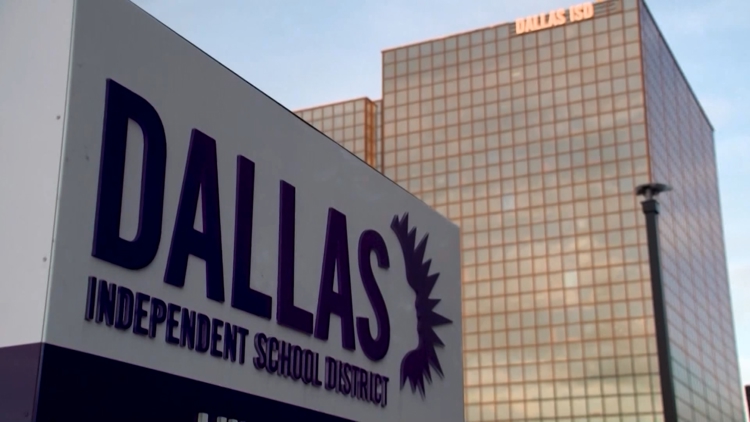
As the sun dipped below the horizon, casting a warm glow over the Dallas skyline, a group of concerned parents gathered outside the local school board meeting. Among them was Maria Gonzalez, a mother of two, holding a sign that read, "Save Our Schools!" Her voice trembled with emotion as she shared her fears about the future of her children’s education. In a city where education is often seen as the bedrock of opportunity, the potential closure of six Dallas Independent School District (DISD) schools looms large, threatening the stability of families and communities.
On Thursday, the Dallas ISD Board of Trustees convened to discuss a troubling agenda item: the possible closure of six schools due to a significant budget deficit and declining enrollment numbers. The schools under consideration include H.W. Lang Middle School, Carter High School, Rangel Elementary School, D.A. Hulcy Middle School, W.W. Samuell High School, and Wilmer-Hutchins High School. The board's decision will have a profound impact on the communities these schools serve.
The budget shortfall, estimated at around $25 million, has been attributed to a combination of factors, including a decrease in student enrollment and increased operational costs. The district has seen a steady decline in student numbers over the past few years, leading to fewer resources and funding. As schools struggle to maintain their programs and staff, the prospect of closures becomes more pressing.
Dallas ISD, one of the largest school districts in Texas, has faced numerous challenges in recent years. The increasing cost of living in the area, coupled with the pandemic's impact on families, has led many to seek educational alternatives outside the district. This trend has exacerbated the already existing issues of low enrollment and budget constraints.
In addition to financial concerns, the potential closures raise questions about the accessibility of education for families in the affected neighborhoods. Many parents rely on local schools not just for education but as community hubs where families can connect and support each other.
The proposed closures are not just numbers on a spreadsheet; they represent a significant emotional and social upheaval for families. For instance, Maria Gonzalez, who has lived in the Oak Cliff neighborhood for over a decade, spoke passionately about the role of local schools in her community. "These schools are not just places where our kids learn; they are where we gather, where we celebrate, and where we support each other during tough times," she explained. Maria's children have attended Rangel Elementary since kindergarten, and the thought of them being uprooted is daunting.
Moreover, many students in these schools have deep ties to their teachers and classmates. For example, at D.A. Hulcy Middle School, a student named Jamal, who has struggled with academic challenges, has found a supportive environment that has helped him thrive. His mother, Angela, expressed her fears about the impact of a closure: “Jamal has built relationships with his teachers who understand his needs. If he has to transfer to another school, it could set him back.”
Community leaders and parents have voiced their concerns about the proposed school closures. “These schools are more than just buildings; they are the heart of our neighborhoods,” said Pastor James Thompson of the local faith community. “Closing them would mean tearing apart the very fabric that holds our families together.”
Parents like Maria Gonzalez echoed this sentiment, highlighting the importance of local schools in fostering a sense of belonging and stability. “My children have grown up in this community, and their friends are here. If these schools close, it will disrupt their lives and education,” she lamented.
In response to the growing outcry, the Dallas ISD Board has promised to engage with the community before making any final decisions. They plan to hold town hall meetings to gather feedback and discuss potential alternatives to closures.
The closure of any school can have far-reaching consequences, particularly for families who depend on these institutions for more than just education. Schools often provide essential services, including meals, counseling, and extracurricular activities that help children thrive.
For many families in the Dallas area, local schools serve as a sanctuary where children can learn and grow in a safe environment. The potential disruption caused by these closures could lead to increased stress for families already grappling with economic uncertainties.
As the district grapples with these challenges, some families are exploring alternative educational options. Charter schools and private institutions are becoming more appealing to parents seeking stability and quality education for their children. However, these alternatives often come with their own set of challenges, including higher tuition costs and varying educational standards.
Moreover, the shift to alternative schooling can further exacerbate the divide between families who can afford these options and those who cannot, potentially leaving vulnerable populations without adequate educational resources. This widening gap raises concerns about equity and access to quality education for all children in Dallas.
As the board prepares to make a decision on the potential school closures, all eyes are on the upcoming town hall meetings. Parents, educators, and community members are eager to voice their opinions and advocate for their schools. The board has emphasized its commitment to transparency and community engagement throughout this process.
In the coming weeks, the Dallas ISD Board will review community feedback and explore potential solutions to the budget crisis. Options may include restructuring programs, reallocating funds, or even seeking additional support from local government and philanthropic organizations.
Ultimately, the future of these schools—and the children they serve—hangs in the balance. The board's decision will not only impact the immediate educational landscape but also shape the long-term prospects for families in the Dallas area.
For families seeking assistance during this uncertain time, various resources are available. The Dallas ISD website provides information on school programs, community resources, and support services.
Additionally, local nonprofits such as United Way of Metropolitan Dallas and The Dallas Foundation offer programs designed to assist families in need, including educational support and financial assistance.
As the community navigates this challenging period, it is essential for families to stay informed and engaged. The strength of a community lies in its ability to come together, support one another, and advocate for the future of its children. The upcoming town hall meetings will be crucial in shaping the district’s decisions, and community members are encouraged to participate actively, as their voices will play a pivotal role in determining the fate of these schools.
By Linda Tran
By Lindsey Harper

By Jessica Hunt

By Eli McBride