Community
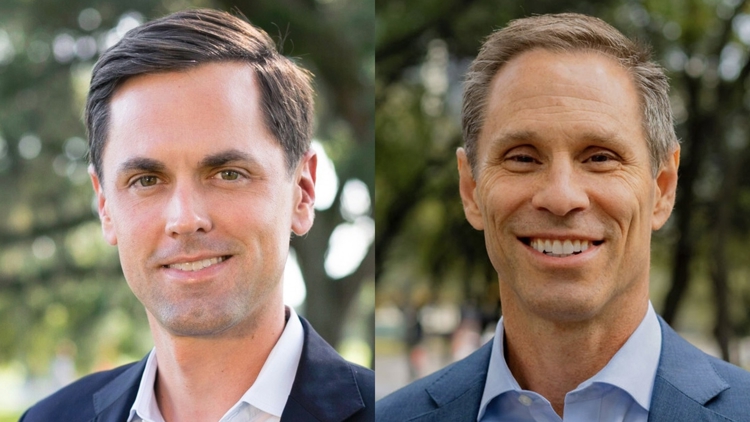
Texas election results: Mayes Middleton, Nathan Johnson vie for Texas Attorney General
By Emma Rodriguez
Advertisement · Why this ad?
With a decade of experience in public health journalism, David Ramos reports on health issues affecting Garland's diverse communities. He holds a Master's degree in Public Health from Texas State University and has worked with local health departments and media outlets to inform the public. David's commitment to health literacy drives his reporting.
More from David →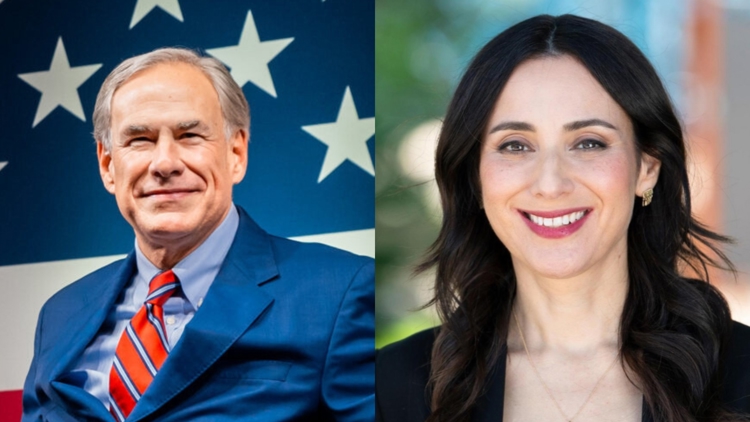
As the sun set over Garland on election night, residents gathered in living rooms and community centers, anxiously awaiting the results of the Texas gubernatorial race. Families huddled around screens, sharing snacks and stories, embodying the spirit of democracy that thrives in American communities. This year’s election featured incumbent Governor Greg Abbott and challenger Gina Hinojosa, both vying for the opportunity to lead the state through its next chapter.
The November midterm elections in Texas saw a significant turnout, with voters eager to voice their opinions on the future of their state. Early voting statistics indicated a robust engagement, with over 9 million Texans casting their ballots before Election Day. Abbott, who has been in office since 2015, campaigned on a platform of economic growth, public safety, and education reform. In contrast, Hinojosa focused on expanding healthcare access, improving public education funding, and addressing climate change.
The results began to trickle in as polls closed at 7 PM, revealing a tight race. By midnight, it was clear that Abbott had secured a significant portion of the vote, reaffirming his position as a strong contender. However, Hinojosa’s campaign garnered attention, particularly among younger voters and those advocating for progressive policies.
In Garland, the reactions to the election results were varied. Many residents expressed relief at Abbott's lead, citing his handling of the economy during the pandemic as a key reason for their support. “He’s done a great job keeping our businesses open and our schools running,” said local business owner Maria Lopez. “We need stability, especially now.”
Garland, a city known for its diversity and vibrant community, reflected the broader state sentiments. Many residents, particularly from the Latino community, felt Abbott's policies had positively influenced local businesses, which were critical during the economic downturn caused by the pandemic. Maria, who owns a small café in downtown Garland, shared how the support from the state helped her keep her doors open when many others were forced to close. “It’s not just about politics; it’s about our livelihoods,” she emphasized.
Conversely, supporters of Hinojosa voiced their desire for change. “We need a governor who listens to all Texans, not just the wealthy or well-connected,” said community activist James Carter. “Gina represents a new generation of leadership that can address our most pressing issues.” These sentiments reflect a broader national trend of younger voters seeking candidates who prioritize social justice and environmental sustainability.
Hinojosa's campaign resonated particularly with younger voters and those concerned about climate change. Many local college students gathered at a nearby coffee shop, discussing how they felt more represented by Hinojosa's vision for Texas. “We want a future that prioritizes our health and the planet,” said 21-year-old university student Emily Tran. “It’s about time we have leaders who think about the next generation.”
Throughout the campaign, several key issues resonated with Garland voters. Education funding was at the forefront, with many parents advocating for increased resources for local schools. Abbott’s administration has faced criticism for its handling of public school funding, while Hinojosa pledged to prioritize equitable funding for all districts.
Local educators, like Sarah Nguyen, emphasized the importance of education in shaping the future of the community. “We need a governor who understands the challenges our schools face,” she said, highlighting the disparities in funding between affluent and low-income districts. “Every child in Texas deserves access to quality education, regardless of their zip code.”
Healthcare access also emerged as a critical topic. Many residents expressed concerns about rising medical costs and the need for expanded Medicaid coverage. Hinojosa's plan to expand healthcare services was particularly appealing to low-income families in the area, who often struggle to access necessary medical care. “It’s heartbreaking to see families choose between paying for food or medical bills,” said local nurse Alicia Ramirez. “We need a system that supports everyone, not just those who can afford it.”
As the dust settles from the election, Garland residents are left to ponder what the future holds. With Abbott's victory seeming likely, discussions around policy changes and community needs will continue. The governor's office will play a crucial role in shaping the direction of Texas, particularly in areas such as education, healthcare, and economic recovery.
Community leaders are already mobilizing to ensure that the voices of Garland residents are heard in the coming months. “We will continue to advocate for our families and our schools, regardless of who is in office,” said local educator Sarah Nguyen. “Our children’s futures depend on it.” The local chapter of the NAACP is also planning a series of town halls to discuss how residents can engage with their government and advocate for their needs.
Moreover, as Texas continues to grapple with issues such as immigration reform and climate change, community organizations are gearing up to push for policies that reflect the values and needs of Garland's diverse population. “We are a community of immigrants, and our voices matter,” said activist Maria Gonzalez. “We will not be silent in the face of challenges.”
The election results have sparked conversations about resilience within the community. Many residents are becoming more involved in local governance, understanding that their participation is crucial in shaping policies that directly affect their lives. Grassroots organizations are stepping up to provide resources and training for residents who want to engage in civic life. Workshops on voter registration, advocacy, and public speaking are being organized to empower individuals to take action.
Local leaders are also emphasizing the importance of collaboration among different community groups. “We can’t afford to work in silos,” said community organizer David Kim. “By coming together, we can amplify our voices and ensure that our needs are met. This election is just the beginning of a long journey toward equity and justice.”
For those looking to stay informed about local governance and community initiatives, several resources are available. The City of Garland website provides updates on local policies and events. Additionally, the Garland Independent School District offers information on educational programs and community involvement.
Residents can also connect with local advocacy groups, such as Texas Impact, which focuses on social justice and community engagement. Engaging with these organizations can help ensure that community voices are represented in future policy discussions. For those interested in becoming more active, the Garland Community Coalition is hosting workshops on effective advocacy and civic engagement, empowering residents to take charge of their local governance.
By Emma Rodriguez

By Tommy Lee
By Elijah Burton
By Eli McBride