Sports
Why are there no NBA games on Election Day?
By Jessica Hunt
Advertisement · Why this ad?
A proud Garland native, Jessica Hunt has spent the last 8 years covering high school athletics for various local publications. She studied at Texas A&M University, where she honed her skills in sports journalism. Jessica's passion for youth sports drives her to highlight athletes' achievements, both on and off the field.
More from Jessica →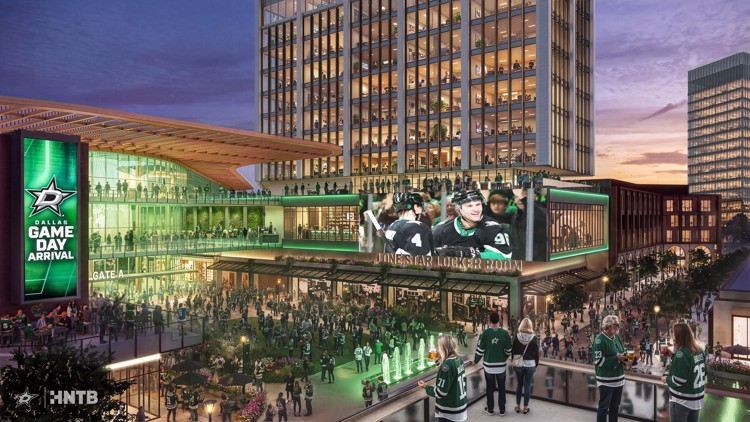
As the sun set over Plano, Texas, the excitement in the air was palpable. Families gathered outside the polls, discussing their hopes for the future of their community. Among them was local resident Sarah Thompson, who, with her two kids in tow, expressed her enthusiasm for the potential of a new Dallas Stars arena. "This could bring so much energy and opportunity to our area!" she exclaimed, her eyes sparkling with anticipation. The decision made on this day would not just impact sports fans; it would resonate throughout the entire community.
On the ballot this election season was a significant referendum that could change the landscape of Plano and surrounding areas. Voters were asked to approve a measure allowing the city to implement new taxes to fund up to $700 million, which would cover the city's portion of a new hockey arena for the Dallas Stars. The proposed arena is not just a sports venue; it is envisioned as a hub for community gatherings, events, and economic growth.
The decision was met with mixed emotions. While many residents, like Sarah, are excited about the prospects of a new arena, others voiced concerns about the financial implications. The potential for increased taxes raised eyebrows, prompting discussions about fiscal responsibility and the long-term benefits of such an investment.
The response from the community has been overwhelmingly passionate. Supporters argue that a new arena could attract more visitors to the area, boosting local businesses and creating jobs. "Imagine the restaurants and shops that could thrive with more foot traffic!" said local business owner James Rodriguez. He sees the arena as a catalyst for revitalization in the Plano area, which has seen its share of economic challenges.
Rodriguez's sentiment is echoed by many in the local business community. The Plano Chamber of Commerce has been actively promoting the potential benefits of the arena, stating that it could lead to a significant increase in tourism. This could be particularly beneficial for small businesses that have struggled in recent years due to the pandemic and shifting consumer habits. Local coffee shops, boutiques, and family-owned restaurants are hopeful that the influx of visitors will provide a much-needed boost to their bottom lines.
However, opposition to the referendum has not been silent. Some residents are worried about the potential tax burden on families already struggling with rising costs of living. "We need to consider how this will affect our day-to-day lives," remarked longtime Plano resident Linda Baker. She emphasized the importance of balancing community development with the financial realities faced by many families. Baker's concerns reflect a broader anxiety among residents about the sustainability of funding such large-scale projects.
The debate has sparked conversations about the role of sports in community identity. For many, the Dallas Stars represent more than just a hockey team; they symbolize local pride and unity. The team has a storied history in Texas, with numerous fans who have followed them through thick and thin. But as the city weighs the pros and cons of the referendum, it is clear that the decision will impact generations to come.
As the votes are counted and the results are tallied, the future of the Dallas Stars arena hangs in the balance. If approved, the city will move forward with plans to implement the new taxes and begin the development process. City officials have outlined a timeline that includes community input sessions to ensure that residents have a say in the arena's design and functionality. These sessions will provide a platform for residents to voice their opinions and suggestions, ensuring that the arena reflects the community's needs and desires.
Moreover, if the referendum passes, it could set a precedent for future community projects. Local leaders hope that this initiative will inspire further investments in infrastructure that enhance the quality of life for all residents. "We have a unique opportunity to shape the future of our city," said Mayor John Smith, who has been a vocal supporter of the arena project. Smith emphasized that the arena could serve as a model for community engagement and collaboration in future developments.
Beyond the immediate excitement of a new sports venue, the economic implications of the proposed arena are significant. Studies have shown that new sports facilities can generate millions in revenue for local economies. The potential for increased tourism, job creation, and enhanced community engagement are compelling arguments in favor of the referendum.
The city has also indicated plans to partner with local businesses to ensure that the benefits of the arena extend beyond the walls of the facility. By fostering collaborations with restaurants, hotels, and retailers, the hope is to create a thriving ecosystem that supports both the arena and the surrounding community. This could include special promotions and partnerships that encourage visitors to explore all that Plano has to offer.
One of the most heartening aspects of this referendum is the level of community involvement it has sparked. Town hall meetings have been filled with passionate discussions, and social media has been abuzz with residents sharing their opinions and advocating for their vision of Plano's future. This grassroots engagement is a testament to the strength of the community and its commitment to shaping a bright future.
Local organizations have also stepped in, hosting events to educate residents about the potential benefits of the arena. The Plano Chamber of Commerce has been particularly active, emphasizing the economic opportunities that could arise from such a project. Their support has galvanized many residents to rally behind the referendum. Community leaders are also encouraging residents to participate in upcoming forums, where they can learn more about the project and express their concerns or support.
As the community awaits the final results of the referendum, one thing is clear: the decision made today will resonate far beyond the realm of sports. It embodies the hopes and dreams of a community eager to embrace new opportunities while navigating the complexities of fiscal responsibility. The excitement surrounding the potential new Dallas Stars arena reflects a collective aspiration for growth, unity, and a vibrant future.
Whether the referendum passes or not, the conversations ignited by this initiative have already strengthened community bonds. Families like Sarah's are hopeful for a future where their children can enjoy the thrill of live sports and the camaraderie of community events. As Plano navigates this pivotal moment, the spirit of togetherness and commitment to a bright future shines brightly. The outcome of this referendum will not only shape the physical landscape of Plano but also define its community spirit for years to come.
By Jessica Hunt

By Lindsey Harper
By Lindsey Harper
By Sofia Patel