
Government
Texas election results: Bo French, Jon Rosenthal in the race for Texas Railroad Commissioner
By Sofia Patel
Advertisement · Why this ad?
Sofia Patel joined the Garland Current team with 5 years of experience covering public administration and local government. A graduate of Texas Tech University, she has previously worked at the Lubbock Avalanche-Journal, where she developed a keen eye for investigative reporting. Sofia is dedicated to holding local leaders accountable and uncovering transparency in governance.
More from Sofia →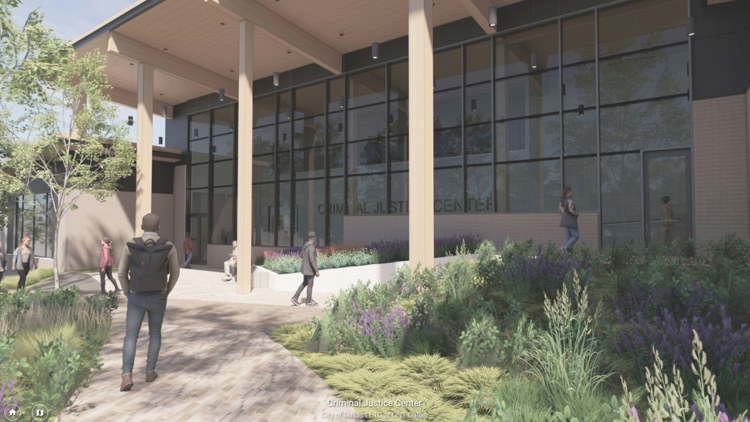
As the sun dipped below the horizon, casting a warm glow over Garland, Texas, the air buzzed with anticipation. Voters gathered at local polling stations, clutching their ballots with a mix of hope and skepticism. Among the hot topics on the ballot was Proposition A, a proposed $443 million bond aimed at funding new police facilities, including a state-of-the-art police academy, a shooting range, and a vehicle test track. The stakes were high, and the community was ready to weigh in.
In a city still reeling from the impacts of rising crime rates, the Garland City Council has put forth a bold proposal to address public safety concerns. The $443 million bond, if approved, will finance the construction of critical infrastructure for the police department. This includes a much-needed police academy to train new recruits, a shooting range for practice, and a vehicle test track to ensure officers are equipped with the best skills to serve and protect.
City officials argue that these facilities are essential for modern policing and will enhance the capabilities of the Garland Police Department. The proposal comes at a time when public trust in law enforcement is fragile, and the community is demanding transparency and accountability from its police force. The bond's approval could signal a commitment to investing in local law enforcement, but not without a cost to taxpayers.
As voters stepped into the booths, opinions varied widely. Some residents, like longtime Garland resident Maria Gonzalez, expressed strong support for the bond. “We need to invest in our police,” she stated, “They are the ones who keep our families safe. A new academy will help ensure they are well-trained.” Gonzalez, a mother of three, believes that a well-equipped police force is crucial for maintaining safety in their neighborhoods.
However, not everyone shared her enthusiasm. Critics of the bond, including community activist James Carter, voiced their concerns about the allocation of funds. “Why are we spending millions on new facilities when we could be investing in community programs that address the root causes of crime?” Carter questioned. His organization, Garland Community Voices, advocates for a holistic approach to public safety, emphasizing mental health resources and youth programs as alternatives to increased policing.
This divide in opinion reflects a broader debate within Garland about the role of law enforcement and community engagement. Many residents are calling for a more balanced approach that prioritizes both public safety and community well-being. This sentiment resonates particularly among younger voters, who are increasingly vocal about wanting a community that invests in social services rather than solely in law enforcement.
The financial implications of the proposed bond are significant. If approved, taxpayers will bear the burden of repaying the debt through property taxes. The city estimates that the bond could increase property taxes by approximately $0.10 per $100 of assessed value. For a home valued at $250,000, that translates to an additional $250 annually.
City officials have assured residents that the investment is necessary for long-term public safety. “This is not just about building buildings; it’s about building trust,” said Mayor Scott LeMay during a recent town hall meeting. “We want our officers to have the best training and resources available to them.” The mayor's remarks highlight the administration's commitment to transparency and accountability, acknowledging the community's concerns while emphasizing the necessity of the bond.
For many families in Garland, the decision to support or oppose the bond is deeply personal. Parents are weighing the safety of their children against the potential financial strain. “I want my kids to grow up in a safe environment, but I also don’t want to be financially burdened,” said local father David Tran. “It’s a tough call.”
Families like the Trans are at the heart of this debate. The outcome of the vote will not only shape the future of policing in Garland but will also affect the financial well-being of its residents. As the American dream of homeownership and stability hangs in the balance, voters are left to ponder what kind of community they want to build.
Many families shared their stories at community forums leading up to the vote. For instance, single mother of two, Linda Reyes, expressed her fears about crime in her neighborhood. “I want to feel safe walking to the park with my kids,” she said. “If this bond helps create better-trained officers, then I’m all for it.” The stories of residents like Reyes are powerful reminders of the real-life implications of these decisions, illustrating the intersection of public safety and community trust.
As the polls closed and the votes were counted, Garland stood at a crossroads. The decision on Proposition A will have lasting implications for the community. If approved, the bond could pave the way for a new era of policing in Garland, one that emphasizes training and preparedness. However, if rejected, it may force city leaders to rethink their strategy for addressing public safety.
In the coming weeks, the city council will need to address the concerns raised by voters. Community forums and discussions will be essential to bridge the gap between law enforcement and residents. The path forward will require collaboration and commitment from all stakeholders to ensure that Garland remains a safe and thriving community.
Following the vote, city officials have pledged to engage with residents more actively to discuss public safety strategies and the role of law enforcement. Town hall meetings, surveys, and community workshops will be organized to gather feedback and foster dialogue. The goal is to create a transparent process where residents feel their voices are heard, regardless of the outcome of the bond vote.
For those looking to learn more about the implications of Proposition A, the city has made resources available online. Residents can visit the Garland City website for detailed information on the bond proposal, as well as updates on the voting process. Additionally, the Garland Independent School District offers programs aimed at fostering community engagement and safety.
Local organizations like Garland Community Voices provide platforms for residents to voice their concerns and participate in discussions about public safety. Engaging with these resources can help residents make informed decisions that reflect their values and priorities.
By Sofia Patel

By Jessica Hunt
By Emma Rodriguez

By David Ramos