Community
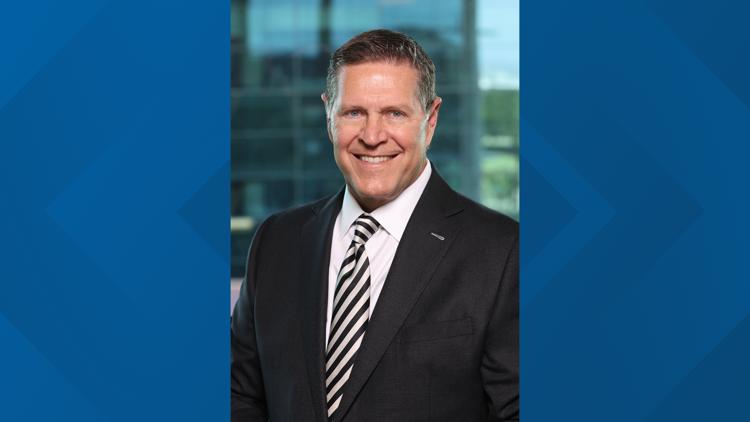
New CEO to lead Toyota Motor North America
By Emma Rodriguez
Advertisement · Why this ad?
Emma Rodriguez has over 15 years of experience in local journalism, with a focus on community engagement and public affairs. She graduated from the University of Texas at Dallas and previously worked as an editor at the Dallas Morning News. Emma is known for fostering a collaborative newsroom environment while passionately covering the issues that matter most to Garland residents.
More from Emma →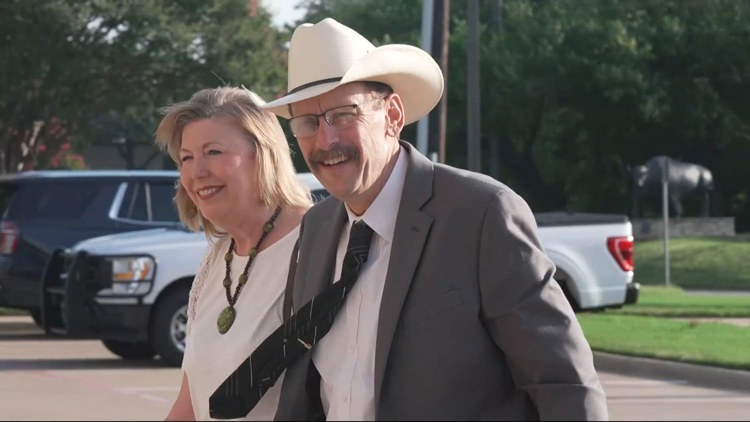
On a quiet morning in Garland, Texas, the air is thick with anticipation as residents gather at the local café, their conversations punctuated by the aroma of freshly brewed coffee. Among them is a sense of unease, a shared concern for the integrity of their community. Just a few blocks away, a high-profile trial that has captured the attention of the entire North Texas region is set to be rescheduled. The case involves a sheriff whose actions have raised questions about accountability and justice in law enforcement.
The North Texas sheriff, whose name has become synonymous with controversy, faces serious charges of retaliation and tampering with evidence. These allegations paint a troubling picture of a law enforcement officer who is supposed to uphold the law but is instead accused of undermining it. The specifics of the case are still unfolding, but attorneys involved have confirmed that these charges stem from actions taken by the sheriff that allegedly sought to intimidate individuals and obstruct justice.
As the trial approaches, the community is left grappling with the implications of these charges. Many residents are asking how such behavior could occur within a department that is meant to serve and protect. The sheriff's office has historically been a pillar of the community, and this scandal threatens to erode the trust that has been built over decades.
The rescheduling of the trial has added another layer of uncertainty. Originally set for this month, the new date has yet to be announced, leaving many to wonder how this will affect the ongoing investigation and the community's perception of justice. As the legal proceedings continue, the eyes of Garland remain fixed on the courthouse, hoping for a resolution that restores faith in their local law enforcement.
Residents of Garland have expressed a mix of shock and disappointment regarding the sheriff's charges. “It’s hard to believe someone in such a position could act this way,” remarked local business owner Maria Sanchez, who has lived in the area for over 20 years. “We always thought our sheriff was a person of integrity. This is disheartening for all of us.”
The sentiment echoed throughout the community, with many residents voicing their concerns during town hall meetings and local gatherings. Community leaders are urging residents to remain calm and patient as the judicial process unfolds. “Justice must take its course,” said council member James Thompson. “While these allegations are serious, we must allow the evidence to be presented and evaluated fairly.”
Several community organizations have also stepped forward to address the situation. The Garland Community Coalition, a local nonprofit focused on promoting civic engagement, has organized a series of forums to discuss the implications of the sheriff's actions. “We want to ensure that our community remains informed and engaged,” explained coalition director Linda Martinez. “It’s important for us to come together, discuss our concerns, and work towards rebuilding trust.”
As these discussions continue, many residents are reflecting on the values that underpin their community. Strong marriages, intact families, and authentic faith are often cited as the cornerstones of Garland's identity. In times of crisis, these values serve as a reminder of the importance of unity and support among neighbors.
The legal ramifications of the sheriff's alleged misconduct are profound. Retaliation and tampering with evidence are serious offenses that carry significant penalties. If convicted, the sheriff could face jail time, fines, and the loss of his position, which would undoubtedly send shockwaves through the department and the broader community.
Legal experts emphasize the importance of due process in this case. “It’s crucial that the investigation is thorough and impartial,” said attorney Robert Langston. “The integrity of the justice system depends on it. The community deserves to know the truth.”
As the trial is rescheduled, the sheriff's defense team is preparing to present their case. They argue that the charges are politically motivated and that the sheriff has been a dedicated public servant. This narrative will likely play a significant role in the trial, influencing both the jury and public perception.
As the trial date remains uncertain, the sheriff's future hangs in the balance. The community is left to wonder about the impact of these proceedings on local law enforcement and public trust. Many are asking how the department will move forward, regardless of the trial's outcome.
In the wake of these events, the sheriff's office has announced plans for increased transparency and community engagement. “We are committed to restoring trust with our residents,” stated a spokesperson. “We understand the concerns and are taking steps to ensure accountability at all levels.”
This pledge comes at a critical time, as residents seek reassurance that their safety and well-being are prioritized. Community forums and outreach programs are being organized to foster dialogue between law enforcement and residents, emphasizing the importance of collaboration in maintaining a safe environment.
As Garland navigates this challenging chapter, the community remains resilient. The values that have long defined this area—commitment to family, faith, and justice—will guide residents as they seek to rebuild trust in their local institutions. The hope is that through transparency and accountability, Garland can emerge stronger from this ordeal.
In the coming months, residents will be closely watching the developments surrounding the trial. Many are hopeful that it will lead to a renewed commitment to integrity within the sheriff's office and the broader law enforcement community. “We want to believe in our leaders again,” expressed long-time resident David Johnson. “We need to see that justice is served, and that our community can heal.”
The journey ahead may be fraught with challenges, but the spirit of Garland remains unbroken. With a shared commitment to accountability, families, and faith, the community is poised to navigate this storm together, emerging with a renewed sense of purpose and unity.
The fallout from this situation extends beyond the sheriff's office itself. Local law enforcement agencies may face increased scrutiny as the community demands higher standards of accountability and integrity. The Garland Police Department, which has collaborated with the sheriff's office on various initiatives, may need to reassess its relationship and protocols to ensure that the public feels secure in their safety.
Furthermore, the trial could serve as a catalyst for broader discussions about policing practices in Garland and the surrounding areas. Community leaders are already advocating for reforms that could include enhanced training for officers, clearer policies on handling evidence, and stronger oversight mechanisms to prevent misconduct in the future. “This is a pivotal moment for our community,” noted activist and former police officer Carla Reed. “We have an opportunity to redefine what accountability looks like in law enforcement.”
As the trial looms, community healing will be essential. Local churches and civic organizations are stepping up to facilitate healing circles and support groups for those affected by the crisis of trust. These gatherings aim to provide a space for residents to voice their feelings, share their experiences, and work toward collective healing.
“We need to support each other during this time,” said Pastor Michael Lee of a local church. “It’s important for us to come together as a community, to pray and to talk about how we can move forward together.”
In addition to spiritual support, mental health resources are being mobilized to assist residents grappling with the emotional toll of the situation. Local therapists and counselors are offering workshops and sessions to help individuals process their feelings and find constructive ways to cope.
As Garland faces this moment of reckoning, the community's resilience and commitment to restoration will be crucial in determining the path forward. The hope is that through collective efforts, residents can not only rebuild trust in their local law enforcement but also strengthen the very fabric of their community.
By Emma Rodriguez
By David Ramos

By Emma Rodriguez

By Emma Rodriguez