Community
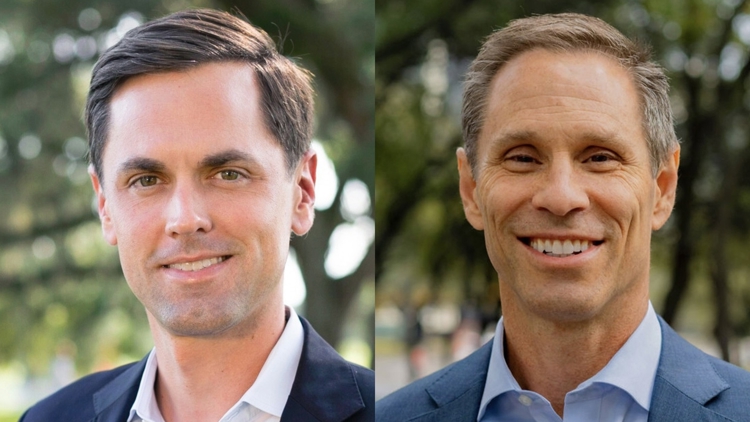
Texas election results: Mayes Middleton, Nathan Johnson vie for Texas Attorney General
By Emma Rodriguez
Advertisement · Why this ad?
Emma Rodriguez has over 15 years of experience in local journalism, with a focus on community engagement and public affairs. She graduated from the University of Texas at Dallas and previously worked as an editor at the Dallas Morning News. Emma is known for fostering a collaborative newsroom environment while passionately covering the issues that matter most to Garland residents.
More from Emma →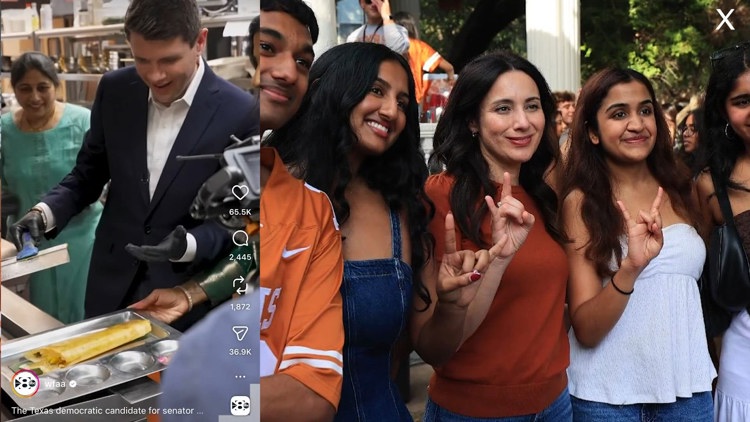
On a warm evening in Garland, Texas, a vibrant gathering of South Asian families filled a local community center, their laughter echoing off the walls as they shared stories and traditional dishes. Amid the aroma of spices and the sound of lively chatter, a palpable sense of unity and purpose hung in the air. These families, with roots stretching across India, Pakistan, and Bangladesh, were not just celebrating their culture; they were mobilizing to make their voices heard in the political landscape of Texas. This moment was a reflection of a broader movement, as South Asians in Texas increasingly stand together against rising anti-immigrant rhetoric.
The recent midterm elections in Texas marked a significant turning point for South Asian Americans, who are emerging as a formidable political force. This shift has been underscored by the election of Texas's first Indian American House member, Representative Salman Bhojani, who won his seat in the 2022 elections. Bhojani's victory is not just a personal achievement; it symbolizes a collective rise in political engagement among South Asian communities across the state.
But the journey to this point has not been without its challenges. A recent incident involving remarks made by Bo French, a Republican candidate in the area, ignited a firestorm of controversy. French's comments, perceived as disparaging towards immigrants, sparked outrage among local residents and galvanized South Asian voters. "Hate was on the ballot," said Bhojani, reflecting on the divisive rhetoric that has permeated recent political campaigns. His words resonate deeply within a community that has long faced discrimination and marginalization.
As South Asians in Texas rally together, they are not only pushing back against harmful narratives but also striving to assert their rightful place in the political arena. The community's response to French's comments has been one of resilience, showcasing their commitment to standing against hate and promoting inclusivity.
The backlash against Bo French's remarks was swift and powerful. Community leaders organized rallies and forums to discuss the implications of such rhetoric on local families. "We are not just immigrants; we are part of this community, and we deserve to be treated with respect," said Kiran Ahuja, a prominent activist in the South Asian community. Her words echoed the sentiments of many who felt that French's comments were not just an attack on individuals but on the very fabric of the diverse community they have built.
Local organizations, such as Asian Pacific American Heritage Association, have stepped up to provide support and resources for those affected by anti-immigrant sentiments. They have held workshops aimed at empowering South Asian voters, teaching them about their rights and how to navigate the political landscape. These initiatives are crucial in fostering a sense of belonging and encouraging active participation in civic life.
In the wake of these events, many South Asians are finding common ground with other marginalized communities. Activists are emphasizing the importance of solidarity, recognizing that the fight against hate and discrimination is one that transcends individual backgrounds. "We are stronger together," said Ahuja, who has been working to build coalitions among various ethnic groups in Garland. This unity is essential not only for political power but also for creating a community where every family feels safe and valued.
The spirit of collaboration was evident during a recent town hall meeting, where South Asian leaders joined forces with African American and Latino representatives to address shared concerns about discrimination and representation. The meeting served as a reminder that, while they may come from different backgrounds, their goals are aligned: to create a more inclusive society for future generations.
To truly understand the impact of these political shifts, one must listen to the stories of individuals within the community. Harpreet Singh, a local business owner, shared how the rhetoric surrounding immigration has affected his family. "My children hear these comments, and it worries me. I want them to feel proud of their heritage, not ashamed of it," he explained, emphasizing the importance of representation in government. Singh, like many others, sees Bhojani's election as a beacon of hope for his children and the future of the community.
Similarly, Fatima Khan, a recent college graduate, expressed her desire for a more inclusive political dialogue. "When I see someone like Salman Bhojani in office, it inspires me to get involved. I want to ensure that our voices are heard, especially on issues that matter to us, like education and healthcare," she said. Khan's perspective highlights the urgency for young South Asians to engage in politics and advocate for their needs.
Looking ahead, the South Asian community in Texas is poised for continued political engagement. With the upcoming elections, leaders like Bhojani are encouraging young people to register to vote and make their voices heard. "Every vote matters, and we have the power to influence change," he stated passionately during a recent community event.
In addition to voter registration drives, local organizations are planning educational forums to discuss critical issues affecting the community, such as immigration policy, healthcare access, and education. These forums will provide a platform for community members to voice their concerns and connect with local leaders who can advocate for their needs.
Education is a cornerstone of this movement. Many South Asian families prioritize academic success, viewing it as a pathway to a better life. By instilling these values in their children, they are not only preparing them for future careers but also nurturing a generation of leaders who will continue to advocate for their community. Programs aimed at mentoring young South Asians are gaining traction, as they provide guidance and resources to help them navigate both academic and political landscapes.
As these young leaders emerge, they bring fresh perspectives and innovative ideas to the table. Their involvement in local politics and community service is a testament to the changing dynamics within the South Asian community, one that is increasingly assertive and engaged.
The story of South Asians in Texas is one of resilience, unity, and hope. As they push back against anti-immigrant rhetoric and strive for representation, they are not only shaping their own future but also enriching the tapestry of American democracy. The recent political developments in Garland serve as a powerful reminder that every voice matters, and together, they can create a community that reflects the values of inclusivity and respect. As families gather in community centers and share meals, they are not just preserving their culture; they are building a legacy of strength and commitment to one another, proving that love and unity can triumph over hate.
By Emma Rodriguez
By David Ramos

By Elijah Burton

By Elijah Burton