
Community
North Texas man dead following auto-bicyclist accident, police say
By Elijah Burton
Advertisement · Why this ad?
Emma Rodriguez has over 15 years of experience in local journalism, with a focus on community engagement and public affairs. She graduated from the University of Texas at Dallas and previously worked as an editor at the Dallas Morning News. Emma is known for fostering a collaborative newsroom environment while passionately covering the issues that matter most to Garland residents.
More from Emma →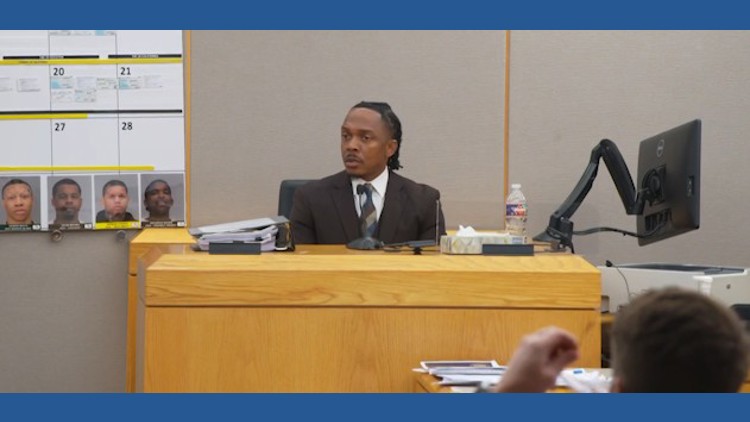
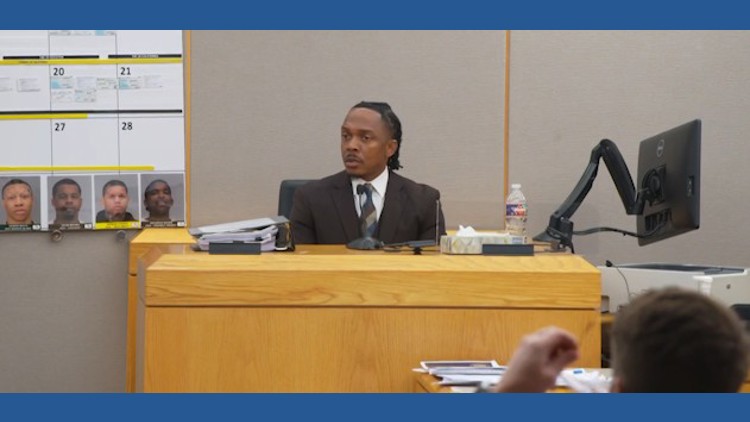
It was a brisk November morning in 2020 when the news of rapper Mo3's tragic death sent shockwaves through the community. For many, the pain of losing a vibrant artist who had become a voice for the struggles and dreams of those living in South Dallas felt personal. As the echoes of his music lingered in the air, a sense of urgency surged within law enforcement to find justice for the life cut short. Fast forward to today, and the courtroom was filled with anticipation as a lead detective from the Dallas Police Department took the stand to recount the harrowing details of that fateful day and the investigation that followed.
On the morning of November 11, 2020, the Dallas Police Department received a call that would change the fabric of the community. Mo3, whose real name was Melvin Noble, was shot and killed in a brazen act of violence on the Interstate 35E. The lead detective, whose testimony was pivotal in the ongoing trial of Yella Beezy, recounted how he first learned of the incident. "It was a chaotic scene," he noted, reflecting on the frantic energy as officers rushed to the site. The detective's voice trembled slightly as he described the grim reality of finding a beloved figure in such a tragic state.
The investigation that ensued was extensive, involving numerous interviews and the collection of evidence that would eventually lead to the arrest of the alleged shooter. The detective detailed the painstaking process of piecing together Mo3's final moments, emphasizing how the community's support and the cooperation of witnesses were crucial in gathering information. "We needed the community to help us understand what happened that day," he said, highlighting the importance of collaboration in solving violent crimes.
As the trial unfolds, the detective's insights into Mo3's life and the impact of his death resonate deeply with those who knew him. From his rise in the music industry to his commitment to uplifting his neighborhood, Mo3 was not just an artist; he was a beacon of hope for many. His untimely passing serves as a reminder of the fragility of life and the urgent need for unity in the face of violence.
The courtroom was not the only place where emotions ran high. In the days following Mo3's death, tributes poured in from fans and fellow artists alike. Social media was flooded with messages of love and remembrance, showcasing the profound impact he had on the lives of many. For his supporters, Mo3 was more than a rapper; he was a storyteller who articulated their struggles and triumphs.
Local residents in Garland and surrounding areas expressed their grief and anger, calling for justice not only for Mo3 but for all victims of gun violence. Community leaders organized vigils and marches, emphasizing the need for change and healing in the wake of such tragedies. The detective mentioned how these community efforts played a vital role in the investigation, as they fostered a sense of collective responsibility and hope.
In the aftermath of Mo3's death, many turned to music as a form of solace. Local artists began to host events and performances that celebrated his life while addressing the broader issues of violence in the community. These gatherings became a safe space for individuals to express their grief and share their stories, reinforcing the idea that music can be a powerful tool for healing.
One local musician, who attended the trial, shared, "Mo3's music helped me through some tough times. Losing him felt like losing a part of my own story." This sentiment was echoed by many in the community, illustrating how deeply intertwined Mo3's legacy is with the lives of those who listened to him. As the trial progresses, the healing process continues, with music serving as a bridge to connect and uplift.
Mo3's death has also sparked a renewed focus on the local music scene in Dallas. Emerging artists are now using their platforms to address issues of violence and community safety, inspired by Mo3's legacy. Many are collaborating to create music that not only honors his memory but also fosters a sense of unity among artists and fans alike. Local venues are beginning to host more events that encourage dialogue about the challenges faced by the community, ensuring that Mo3's influence continues to shape the narrative.
One prominent local artist, who has been vocal about the impact of gun violence, stated, "Mo3's story is a reminder that we have to take care of each other. His music was our voice, and now we must keep that voice alive by advocating for change." This collective effort among artists reflects a community determined to rise above the violence and work towards a more peaceful future.
As the trial of Yella Beezy unfolds, the community watches closely, hoping for a resolution that brings justice to Mo3's family and friends. The lead detective's testimony is just one piece of a larger puzzle, but it highlights the importance of transparency and accountability in the pursuit of justice. "We are committed to finding the truth and ensuring that those responsible are held accountable," the detective stated, underscoring the dedication of law enforcement to serving the community.
The outcome of this trial could have implications beyond the courtroom. It may serve as a catalyst for conversations about gun violence, community safety, and the role of artists in advocating for change. Many residents believe that addressing these issues head-on is essential for fostering a safer and more united community.
In the coming weeks, as more witnesses take the stand and evidence is presented, the hope remains that justice will prevail. The memories of Mo3 will continue to inspire the community to strive for a future where violence is no longer a part of the narrative. As the detective concluded his testimony, there was a palpable sense of determination in the air: the fight for justice is far from over.
In light of the ongoing trial and the surrounding discussions, several community organizations have stepped up their efforts to address the root causes of violence in the area. Initiatives focusing on youth mentorship, conflict resolution, and mental health support are gaining traction. Local schools are working to integrate programs that teach students about the importance of non-violence and the power of dialogue.
One such initiative, led by the Garland Youth Coalition, aims to provide at-risk youth with resources and mentorship opportunities. The program coordinator remarked, "We want to empower young people to make positive choices and to understand that they have the power to change their narrative. Mo3's story is a powerful example of what can happen when we don't address the issues in our community." The hope is that by investing in the youth and fostering a culture of support, the community can begin to heal and prevent further tragedies.
As the trial continues, the community remains vigilant, united in their pursuit of justice for Mo3 and committed to creating a safer environment for all.
By Elijah Burton

By Emma Rodriguez
By Emma Rodriguez
By Elijah Burton