Community
What's next in the investigation of the Learjet crash in Florida that killed 9?
By Elijah Burton
Advertisement · Why this ad?
With a decade of experience in public health journalism, David Ramos reports on health issues affecting Garland's diverse communities. He holds a Master's degree in Public Health from Texas State University and has worked with local health departments and media outlets to inform the public. David's commitment to health literacy drives his reporting.
More from David →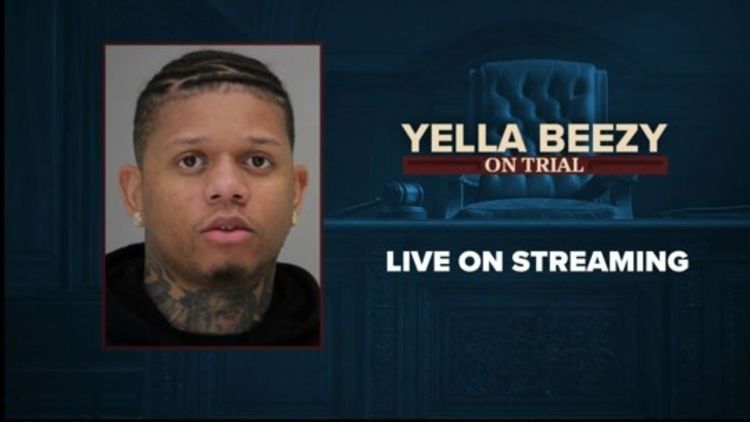
As the sun rose over Garland, Texas, the air was thick with anticipation. Inside the courtroom, families, friends, and community members gathered, their faces a mix of concern and hope. The ongoing trial of Dallas rapper Yella Beezy, born Markies Conway, has captivated the local community, not only for its high-profile nature but also for the serious implications it carries. This week marks day seven of testimony in a case that has sent ripples through the music industry and the streets of Dallas, as prosecutors aim to prove that Beezy orchestrated a hit on rival rapper Mo3 in 2020.
The backdrop of this trial is a chilling narrative that began on November 11, 2020, when Mo3, real name Melvin Noble, was fatally shot on a busy highway in Dallas. The incident shocked fans and raised questions about the violence that often lurks in the shadows of the rap music scene. Prosecutors allege that Yella Beezy, 31, was not just a bystander but the mastermind behind the attack, orchestrating a hit that would ultimately lead to Mo3's demise.
As the trial unfolds, the prosecution has called several witnesses to the stand, each providing pieces of a puzzle that they argue points directly to Beezy's involvement. Testimony has included details about the events leading up to the shooting, as well as the aftermath that saw the Dallas rap community grappling with the loss of one of its own. The stakes are high, with the possibility of significant prison time looming over Beezy if convicted.
The trial has sparked a wave of reactions from the community, reflecting the complex relationship between local artists and their fans. Many in Garland and the greater Dallas area are closely following the proceedings, with social media buzzing with opinions and support for both families involved. Local rapper and friend of Mo3, who wished to remain anonymous, expressed deep concern over the violence that has plagued the music scene. “We need to come together and support each other,” he stated. “This isn’t just about music; it’s about lives.”
The emotional toll on the community is palpable. Mo3 was not just a rapper; he was a beloved figure whose music resonated with many, particularly in neighborhoods where struggles and aspirations are intertwined. His death left a void that many feel cannot be filled. Community events held in his honor have attracted hundreds, showcasing the impact he had on local culture.
The violence that has emerged in the wake of this case is not just a narrative confined to the courtroom. It resonates deeply within the community, raising questions about the societal costs of such conflicts. According to Dallas County statistics, violent crime rates have seen fluctuations in recent years, with the rap scene often at the center of discussions surrounding gang-related activity and rivalry. Community leaders stress the importance of dialogue and intervention in addressing these issues, emphasizing the need for programs that foster unity rather than division.
Local organizations are stepping up to address these concerns. Groups such as the Garland Chamber of Commerce and various non-profits have initiated workshops aimed at educating young artists about the dangers of violence and the importance of conflict resolution. These programs are not only focused on the artists but also involve parents and community members, fostering a collective effort to combat the culture of violence.
Moreover, the conversations around mental health and its correlation with violence are gaining traction. Many community members believe that addressing mental health issues can play a crucial role in reducing violence. “We need to talk about the trauma that leads to these situations,” said a local counselor who has been involved in community outreach. “It’s about healing and understanding our past to prevent a violent future.”
As the trial progresses, all eyes remain on the courtroom as both sides prepare to present their closing arguments. Legal experts predict that the case could set significant precedents regarding the accountability of artists in the face of violence. In a recent interview, defense attorney for Yella Beezy asserted that the prosecution's evidence is circumstantial at best, claiming there is no concrete proof linking Beezy to the crime. “We are confident in our defense and believe the jury will see the truth,” he stated.
The community is also preparing for the potential outcomes of this trial. Local organizations are already mobilizing, offering support to those affected by the violence that has permeated the music scene. The Garland Chamber of Commerce and other local groups are advocating for peace and unity, hosting forums to discuss how to move forward as a community.
In the wake of this trial, many community leaders are calling for a renewed focus on mentorship programs for young artists. These initiatives aim to provide guidance and support, steering them away from the pitfalls of violence and towards constructive outlets for their creativity. “We need to invest in our youth,” said a prominent local activist. “They are the future, and we must ensure they have the tools to succeed without resorting to violence.”
As the trial unfolds, the voices of community members echo the need for change. Local residents have taken to social media platforms, sharing their thoughts and experiences related to the rap scene and its challenges. Many have expressed their desire for a more supportive environment where artists can thrive without fear of violence. A community forum held last week attracted a diverse group of attendees, including parents, artists, and youth advocates. “We need to create spaces where our young people can express themselves without feeling threatened,” one attendee remarked. “Art should be a form of liberation, not a reason to live in fear.”
Furthermore, local businesses are also feeling the impact of the trial. Some have reported a decline in foot traffic as the community grapples with the emotional weight of the proceedings. “People are more cautious now,” said the owner of a popular local café that often hosts open mic nights. “We want to support our artists, but we also want to ensure everyone feels safe.”
The Yella Beezy trial is more than just a legal battle; it represents a broader struggle within the community to confront violence and its repercussions. As families wait for justice, the hope remains that this trial will spark meaningful conversations about accountability, support, and healing. The residents of Garland stand united in their desire to see a future free from the shadows of violence, where families can thrive and the American dream can be realized without fear.
As the trial continues, it serves as a reminder of the power of community solidarity in the face of adversity. The voices of local artists, community leaders, and residents are rising, calling for change and a commitment to a safer, more supportive environment for all. The outcome of this trial may influence not only the lives of those directly involved but also the future of the Dallas music scene and its relationship with the community.
By Elijah Burton
By Rachel Gonzalez
By Emma Rodriguez
By David Ramos