
Community
He was found wearing a belt with the initials 'RB' in Humble in 1987. Who was he?
By Emma Rodriguez
Advertisement · Why this ad?
With a decade of experience in public health journalism, David Ramos reports on health issues affecting Garland's diverse communities. He holds a Master's degree in Public Health from Texas State University and has worked with local health departments and media outlets to inform the public. David's commitment to health literacy drives his reporting.
More from David →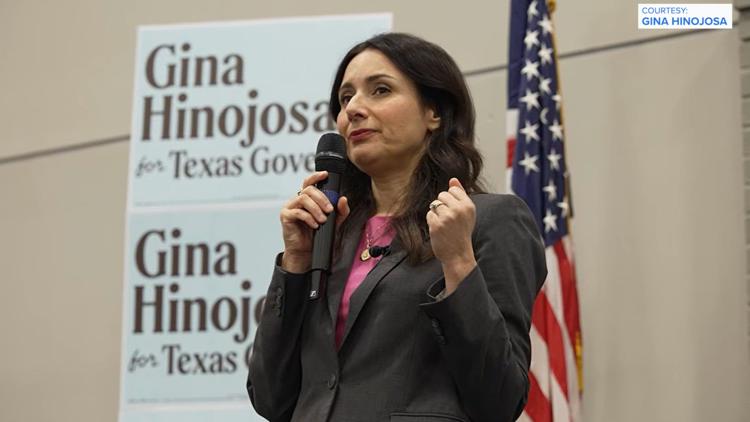
In a bustling coffee shop in Garland, Texas, residents gather to discuss a proposal that has captured their attention: a potential $1,500 payment to Texans. The atmosphere buzzes with a mix of hope and skepticism as patrons share their thoughts on how this financial boost could impact their families and community. For many, this isn’t just another political promise; it’s a lifeline that could help families cover bills, invest in education, or save for a rainy day.
Recently, Governor-elect Gina Hinojosa unveiled a bold proposal to distribute $1,500 payments to Texans, a plan that could draw from the state's substantial $17 billion rainy-day fund. While the idea has sparked excitement among many residents, there are significant hurdles to overcome before any checks are written. No official timeline for distribution has been set, leaving many wondering how and when this financial relief could materialize.
The rainy-day fund, officially known as the Economic Stabilization Fund, was designed to provide a financial cushion during economic downturns. Hinojosa's proposal aims to utilize these funds to support families facing rising costs and economic uncertainty. However, the plan must navigate through legislative approval, budget considerations, and potential opposition.
As the proposal gains traction, residents are left contemplating the implications of such a payment. For many families in Garland, an extra $1,500 could mean the difference between struggling to make ends meet and having a little extra to invest in their future. The stakes are high, and the community is eager for clarity on how this initiative will unfold.
The response from Garland residents has been largely positive, with many expressing enthusiasm about the prospect of receiving a financial boost. Local mother of three, Maria Gonzalez, shared her thoughts: "This could really help us pay off some debt and maybe even take a small family trip. It’s been tough since the pandemic, and every bit helps."
However, not everyone is convinced that the plan is feasible. Some residents worry about the long-term implications of drawing from the rainy-day fund. Local businessman James Lee voiced his concerns, stating, "While I understand the need for immediate relief, I hope we’re not jeopardizing our future stability. We need to be cautious with how we handle these funds." These sentiments highlight the community's desire for responsible financial management alongside immediate relief.
As discussions continue, many residents recognize the delicate balance between addressing immediate financial needs and ensuring the state's long-term fiscal health. The rainy-day fund exists for a reason: to protect Texans during economic hardships. Critics of the plan argue that utilizing these funds could set a dangerous precedent, potentially leading to future financial instability.
On the other hand, proponents argue that the current economic climate warrants such measures. With inflation affecting everyday expenses, many families are struggling to keep up with rising costs. The proposal could provide much-needed relief to those who need it most, allowing them to focus on rebuilding their lives.
The conversations in Garland are not just abstract discussions about policy; they are deeply personal. Residents like David and Sarah Martinez, who have lived in Garland for over a decade, expressed how the pandemic has impacted their family. David, a construction worker, mentioned, "I’ve seen my hours cut back, and it’s been a challenge to keep up with rent and bills. That $1,500 could help us catch up on our mortgage, which is a huge weight off our shoulders."
Similarly, local teacher Emily Tran emphasized the importance of financial support for families in her community. "Many of my students come from low-income households, and their parents are struggling. This payment could help families afford school supplies and other essentials that often get overlooked," she said. Emily's perspective highlights the broader implications of the payment plan on education and youth development in the area.
For Hinojosa's payment plan to become a reality, several steps must be taken. First and foremost, the proposal requires legislative approval. This means garnering support from lawmakers who will ultimately decide the fate of the plan. As the new legislative session approaches, Hinojosa's team is working diligently to build a coalition of supporters.
Additionally, the state must assess the overall budget impact of such a payment. With competing priorities and limited resources, lawmakers will need to determine if the rainy-day fund can sustain this initiative without compromising other critical services. This balancing act will be crucial in the coming weeks as discussions unfold.
Furthermore, public opinion will play a significant role in shaping the outcome of the proposal. As residents voice their thoughts and concerns, lawmakers will be listening closely. Community forums and town hall meetings may become essential platforms for citizens to express their views and influence the decision-making process.
To ensure that residents remain engaged, local organizations and community leaders are planning a series of town hall meetings. These gatherings will provide a space for residents to ask questions, share their personal stories, and express their opinions on the payment plan. Local advocacy groups, such as the Garland Community Coalition, are also mobilizing to ensure that the voices of marginalized communities are heard in the legislative discussions.
Moreover, social media campaigns are being launched to raise awareness and encourage residents to contact their representatives. This grassroots approach aims to build a strong community response that can influence lawmakers' decisions. As residents come together to advocate for their needs, the community's collective voice may prove to be a powerful force in shaping the outcome of Hinojosa's proposal.
As the community awaits further developments, Garland residents can stay informed through various channels. The City of Garland website provides updates on local initiatives and community events. Residents can also engage with local representatives to voice their opinions and stay involved in the legislative process.
Nonprofit organizations such as United Way offer resources for families struggling financially, providing assistance with budgeting, job training, and other essential services. These organizations play a vital role in supporting families during challenging times.
As discussions surrounding the payment plan continue, it’s crucial for residents to remain proactive and engaged. By staying informed and advocating for their needs, Garland families can ensure their voices are heard as this proposal moves forward.
As the legislative session unfolds, the fate of Hinojosa's payment plan remains uncertain. However, the conversation it has sparked within the community is invaluable. Garland residents are coming together to discuss their needs, priorities, and the future of their families. This engagement is a testament to the strength of the community and its commitment to supporting one another.
Whether or not the payments become a reality, the discussions surrounding financial relief highlight the importance of community support and resilience. In a time when many are feeling the pinch of economic pressures, Garland families are demonstrating their commitment to one another, advocating for their needs, and striving for a brighter future.
As we look ahead, it’s essential to remember that the American dream is built on strong families and communities that stand together. Regardless of the outcome, the spirit of unity and commitment to one another will continue to drive Garland forward.
By Emma Rodriguez
By Emma Rodriguez

By Emma Rodriguez

By Elijah Burton